
Tips for Air Travel with a Child with Special Medical Needs
Making Air Travel Possible—and Peaceful
Traveling with a child who has special medical needs can feel intimidating. Between packing medical supplies, navigating airport security, and managing treatment schedules, the process takes extra planning and patience.
But with the right preparation, you can travel confidently and create meaningful experiences for your whole family—without unnecessary stress.
1. Allow Extra Time for Check-In and Security
When traveling with medical supplies or equipment, things simply take longer. Plan to arrive early for check-in and security. Giving yourself a generous buffer eases the pressure and allows time for the unexpected—like additional screening or equipment checks.
2. Expect Extra Screening From TSA
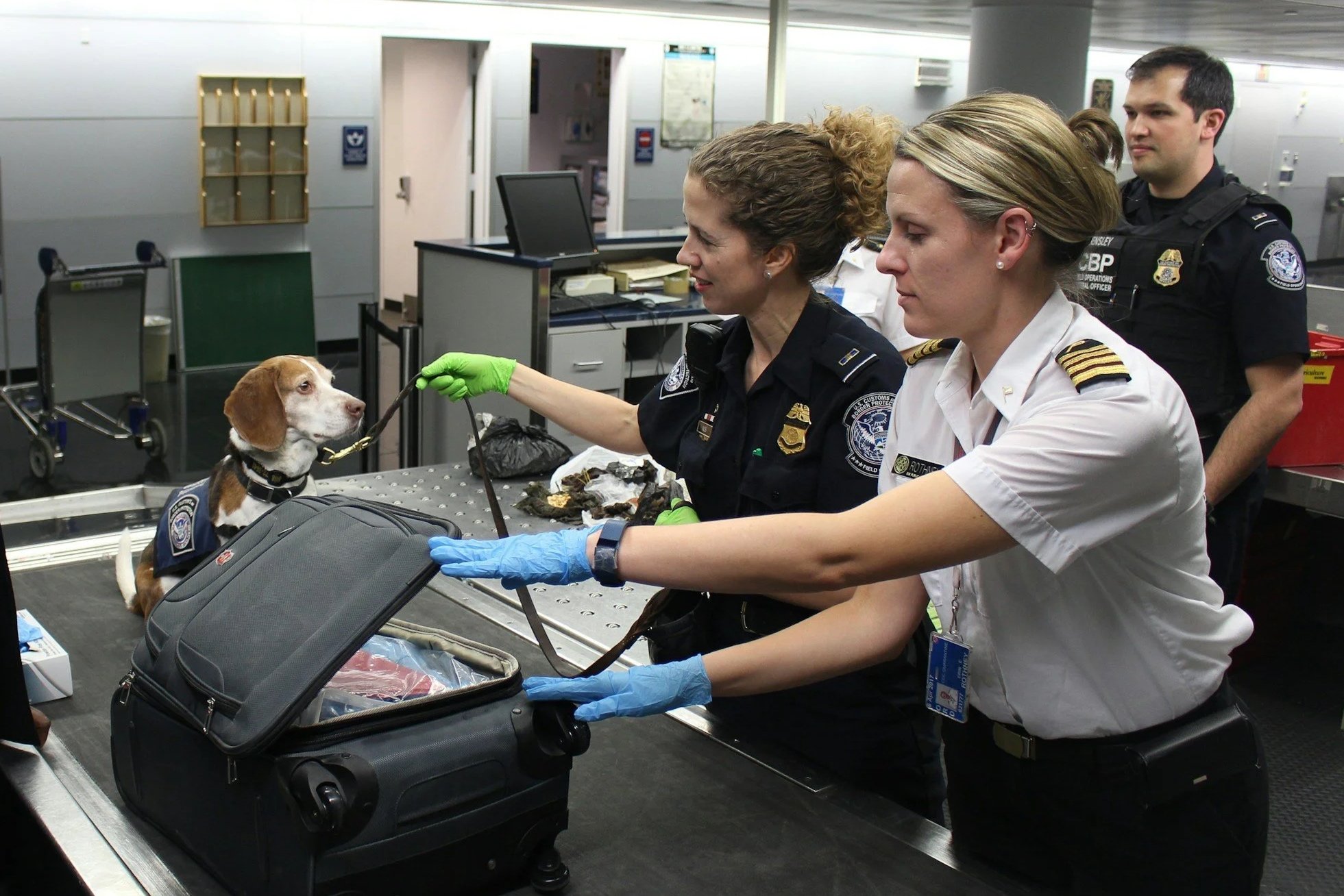
Even with TSA PreCheck, medical equipment tags, or a doctor’s note, you should still expect to be stopped by security. Most TSA agents are friendly and professional—they’re simply following protocol to keep everyone safe.
Take a calm, cooperative approach and explain what each item is before it’s inspected. A kind, prepared attitude can make a big difference in how smoothly the process goes.
3. Bring Tablets Instead of Liquid Medications (When Possible)
Whenever your child’s medication is available in tablet form, opt for that version during travel. Liquid antibiotics and other liquid medications often trigger extra screening because they can’t pass the TSA “swipe test.”
If liquid medications are unavoidable, keep them in original, clearly labeled containers, and be ready to explain their medical necessity.
4. Keep Prescriptions in Original Labeled Boxes
Having prescriptions in their original pharmacy packaging—with your child’s name and the prescribing doctor—helps avoid confusion or delays. It also makes it easier to replace medication if it’s lost or damaged while traveling.
5. Protect Medical Supplies From Contamination
Place all essential medical supplies (like syringes, tubing, or nebulizer parts) in clear, zip-top bags. This allows TSA agents to see the items without handling them directly, preventing contamination or damage to sterile equipment.
6.Know Which Items Are Commonly Flagged
Airport scanners often flag medical devices that contain motors or liquids. Items like the Vest (airway clearance system) or a nebulizer compressor are frequently pulled for inspection, as well as any liquids over 3 ounces.
If this happens, stay calm and explain the purpose of the equipment. Most agents will be friendly and allow you to observe during the inspection.
7. Consider Pre-boarding with Your Child and Extra Medical Equipment
Many families traveling with children with special medical needs require extra time to board. Notify gate agents 15minutes before a flight that you would like to pre-board with your special medical needs child and that you are unable to check carry-on baggage to medical equipment. The agents are usually friendly. Medical ID tags can be prepurchased online and this helps agents understand your request. There is no extra fee for bringing medical equipment aboard.
8. Pack Support Items in A Backpack for Easy Access
There may be items which can help your child manage the discomfort of travel. In addition to the usual snacks, a new saline spray bottle and tissue can be helpful for managing dryness; downloaded movies onto a tablet or phone with ear buds can allow for a distraction; a neck pillow or blanket can offer added support to a tired body.
9. Request a Refrigerator or Microwave at Your Hotel
Before your trip—or as soon as you arrive—call the front desk to request a small refrigerator and microwave for your room. These can be used for storing medications, sterilizing equipment, or preparing treatment supplies.
Remember to bring a few small bills to tip hotel staff who deliver these items to your room.
⸻
Traveling With Confidence
Travel with a child who has special medical needs takes extra effort—but it also builds resilience, flexibility, and beautiful memories together. Preparation and patience are your best allies.
Each trip is a chance to show your child that life can include fun adventure, even when extra care is required.
If you’re planning a trip and want personalized support—like packing checklists, travel routines, or calm-mind strategies—I offer caregiver coaching to help families feel confident and ready for the journey.
[Schedule a free consultation]
